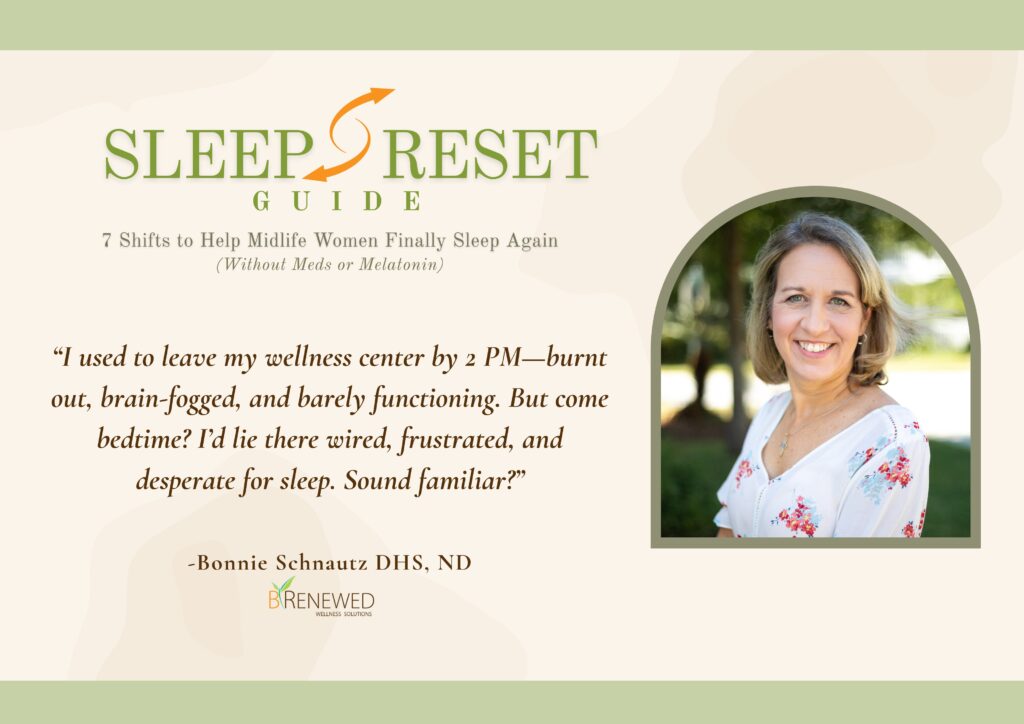
For years, I thought I was sleeping just fine — seven hours most nights, rarely waking up — yet every morning, I felt foggy, heavy, and anything but rested.
I didn’t realize that even though I was sleeping, I wasn’t entering restorative REM sleep — the deep, healing kind that helps your mind and body truly recover. I wasn’t dreaming. My body was getting sleep quantity, not sleep quality.
If that sounds familiar, you’re not alone. For many women in midlife, hormonal changes, stress, and daily overload can throw off the body’s natural rhythm. You might feel wired at night, sluggish in the morning, or unable to fall asleep even when exhausted. But the good news is — your sleep can be reset, naturally.
After years of trial, error, and gentle lifestyle shifts, I discovered seven holistic habits that helped me move from burnout to blissful rest — and they can help you too.
1. Morning Light Exposure☀️
Your best sleep actually begins in the morning. Getting natural sunlight within 30 minutes of waking helps reset your circadian rhythm — your body’s internal clock that tells you when to wake up and when to rest.
Morning light signals your brain to release cortisol (for energy) and suppress melatonin (your sleep hormone), creating a natural balance that carries through your day.
Try stepping outside for 5–10 minutes without sunglasses, or sit by a bright window as you sip your morning tea. It’s a small step that can make a big difference.
2. Hydrate with Minerals 💧
You might drink plenty of water but still feel sluggish or crampy. That’s because true hydration depends on minerals like magnesium, potassium, and sodium — electrolytes that help your cells absorb water.
Mineral-rich hydration supports your adrenals, stabilizes energy, and helps your body regulate stress hormones like cortisol. Add a pinch of sea salt or try a clean electrolyte blend in your morning water to start your day replenished.
When your cells are hydrated, your body regulates temperature, hormones, and energy flow more efficiently — all key ingredients for deep, restorative sleep.
3. Calm your Nervous System 🧘♀️
If your mind races the moment you lie down, your nervous system might be stuck in “fight or flight.” Evening stress, screen time, or unresolved thoughts can keep your body alert when it should be winding down.
Create a nightly ritual to calm your system — gentle stretching, deep breathing, or journaling can help your body shift from alert to relaxed. Supplements like Calm can also support this process naturally.
Remember, your body can’t rest when it feels unsafe. Soothing your nervous system is one of the most powerful ways to prepare for restorative sleep.
4. Limit Screen Time 🌿
Blue light from phones and computers suppresses melatonin, tricking your brain into thinking it’s still daytime. Even quick scrolling before bed can delay your body’s natural sleep signals.
Try unplugging at least an hour before bedtime. Use that time to read, stretch, or reflect on your day. Replacing screen time with mindful moments helps your brain slow down, allowing sleep to come more easily.
5. Eat for Steady Energy 🍽️
What you eat affects how you sleep. Blood sugar swings throughout the day can spike cortisol levels, leading to restless nights and 2 AM wakeups.
Focus on balanced meals — protein, healthy fats, and complex carbs. Avoid caffeine late in the day and keep dinners light but nourishing. When your blood sugar stays steady, your hormones stay balanced, and your sleep becomes deeper and more consistent.
6. Support Your Adrenals 💆♀️
Chronic stress taxes your adrenal glands — the small organs responsible for managing your energy and stress hormones. When they’re overworked, you may feel “wired but tired.”
Support your adrenals with gentle, consistent care: eat regularly, hydrate with minerals, and take mindful pauses throughout your day. Adaptogenic herbs like ashwagandha or rhodiola can also help your body adapt to stress more easily.
When your adrenals are balanced, your energy stabilizes, your mood improves, and your sleep naturally deepens.
7. Create a Bedtime Rhythm🌜
Your body thrives on rhythm — not strict rules, but predictable cues. Going to bed and waking up at roughly the same time each day trains your body to release melatonin on schedule.
Build a simple bedtime ritual that feels relaxing: dim the lights, play soft music, or sip a cup of herbal tea. These cues signal your body that it’s time to unwind. Over time, you’ll notice sleep arriving more easily — without struggle or supplements.
✨ The Turning Point
Once I made these small, consistent changes, everything shifted. I started dreaming again — a clear sign of entering REM sleep. My mornings felt lighter. My focus improved. For the first time in years, I was waking up refreshed instead of exhausted.
It wasn’t about medication or melatonin — it was about listening to what my body had been trying to tell me all along.
If you’re ready to restore your rhythm, recharge your energy, and finally wake up feeling rested, I’ve gathered everything I learned into a free, easy-to-follow guide that walks you through each of these steps.